Dialogue.
How to write natural, compelling dialogue that carries subtext, tension, and character without sounding forced, expositional, or overwritten.
Great dialogue is not clever. It is competitive.
Exposition works best when it’s fought over.
Character.
How to build protagonists with clear wants, meaningful flaws, and emotional contradictions that drive story, conflict, and transformation.
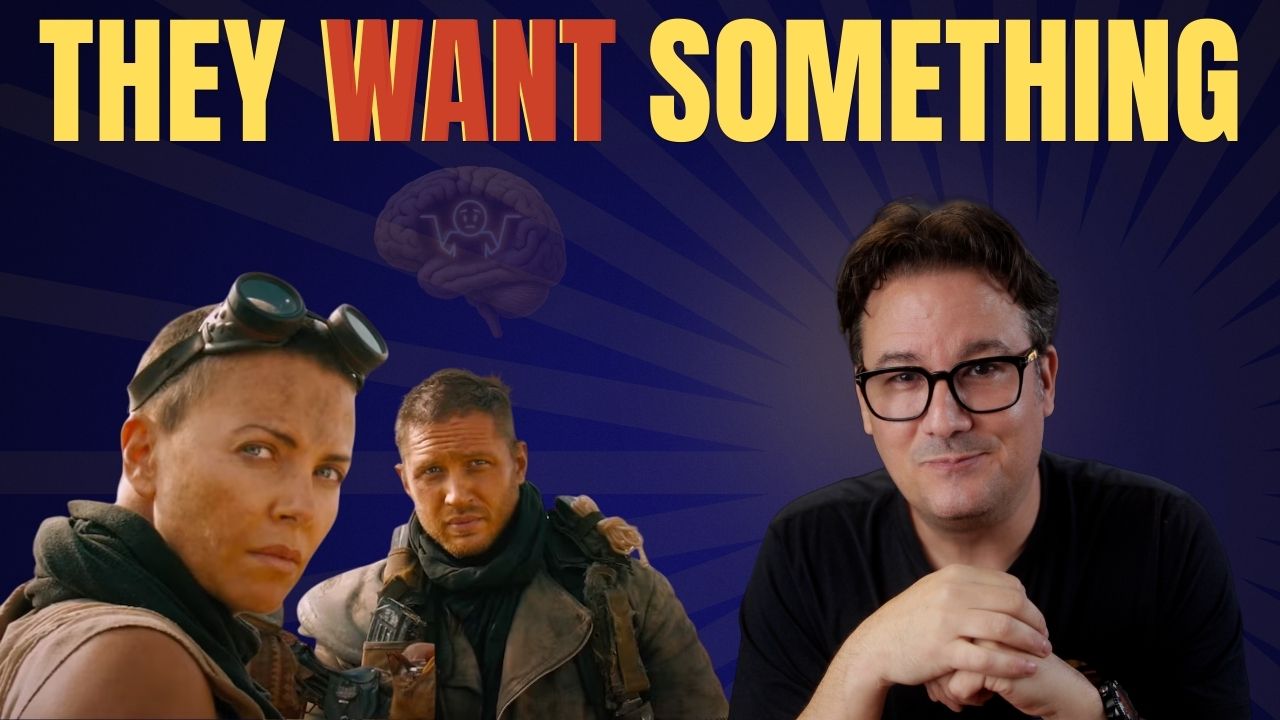
Why a clear, external goal is the engine of character, conflict, and transformation.
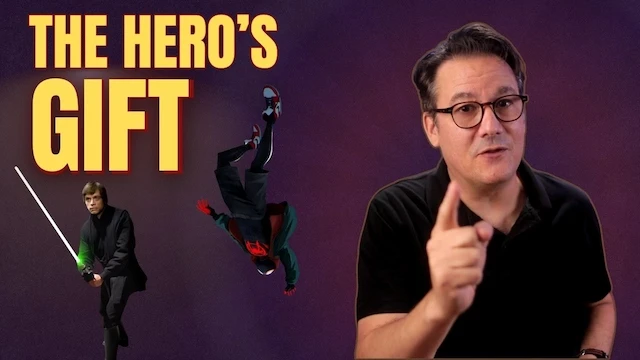
How a protagonist’s unique Gift makes them the only one who can win the story.
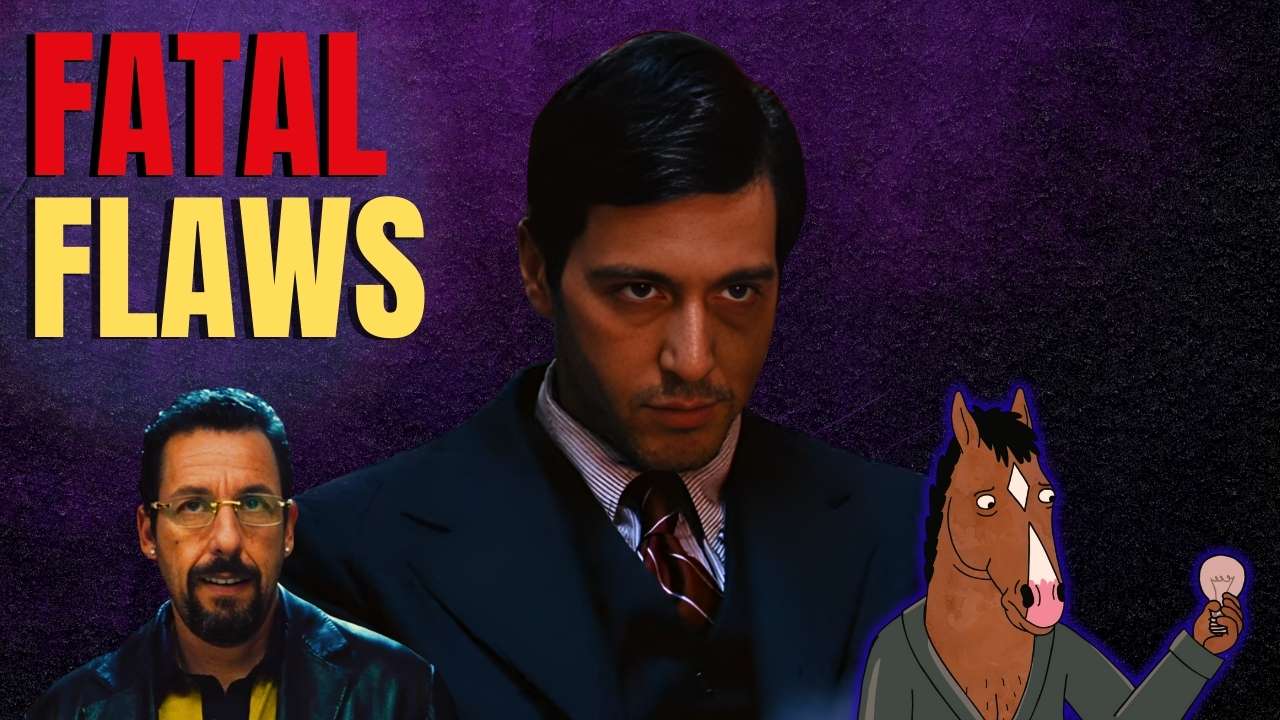
There’s one hidden mistake that quietly destroys otherwise great characters. Most writers never see it coming.
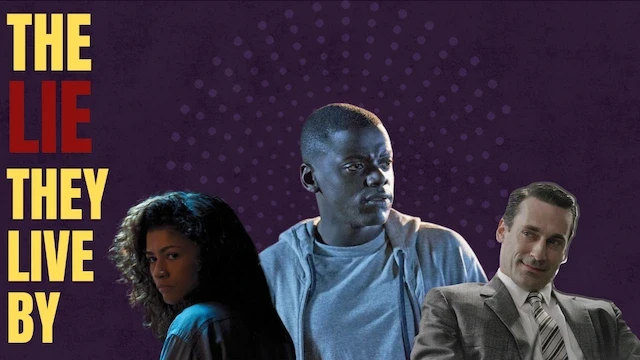
Why great characters lie to themselves - using misbelief and emotional wounds to drive their choices and downfall.
Conflict & Suspense.
How to create escalating conflict and suspense that grips an audience, sharpens character choices, and makes scenes impossible to look away from.
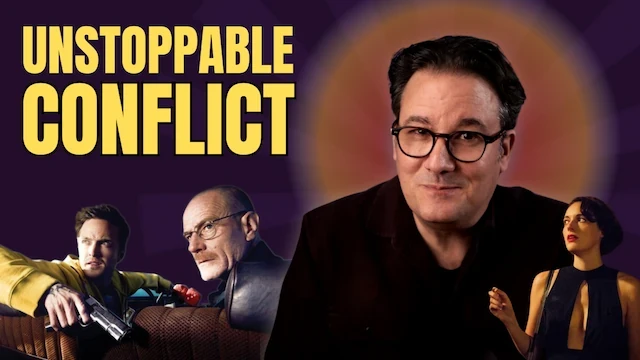
How great stories trap characters in conflict not just with others… but with themselves.
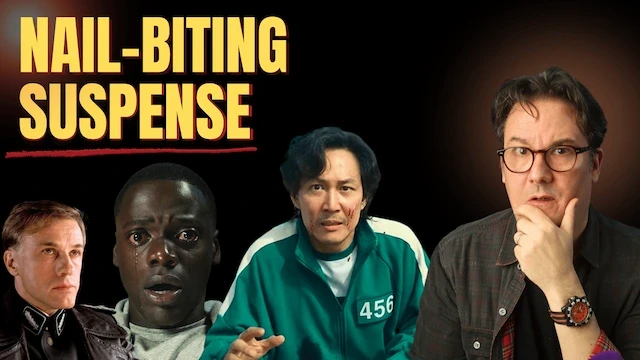
The psychological trick that makes audiences hold their breath.
Scenes.
How to write scenes that turn, escalate, and land with impact, using tension, power shifts, and character-driven stakes.
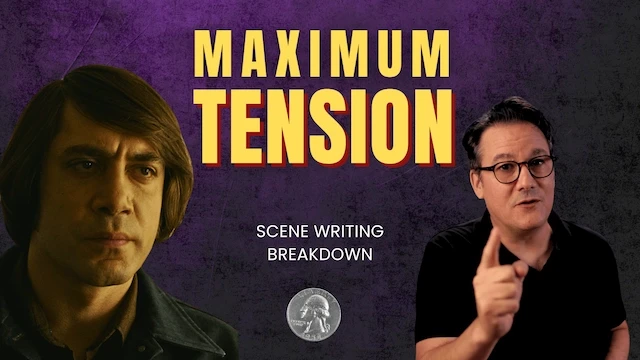
How the Coen Brothers create maximum tension in No Country for Old Men - using silence, subtext, and power shifts instead of action.
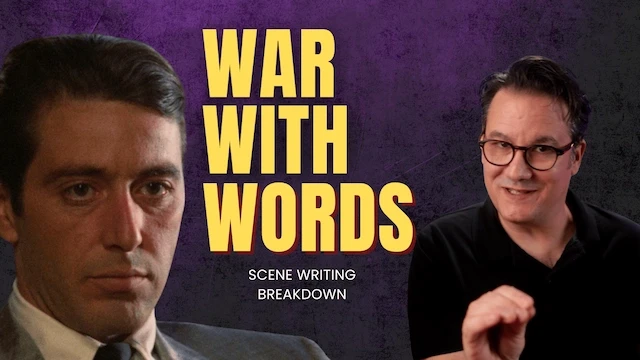
How The Godfather Part II creates tension without violence - using control, silence, and subtext instead of action.
Story.
How story structure, plot twists, and antagonistic forces work together to create meaning, surprise, and emotional payoff.
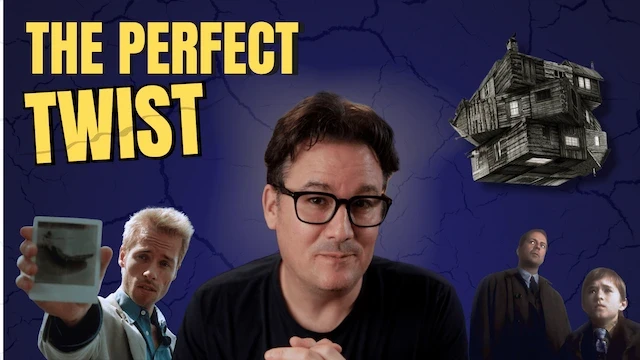
Why great plot twists reframe character and emotion, not just information.
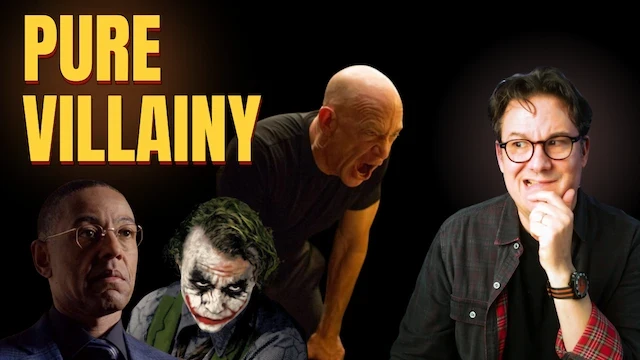
Great villains do not think they’re evil. They think they’re right.
Pilots.
How to write a TV pilot that launches character, conflict, and story engine while avoiding the most common mistakes that sink scripts.
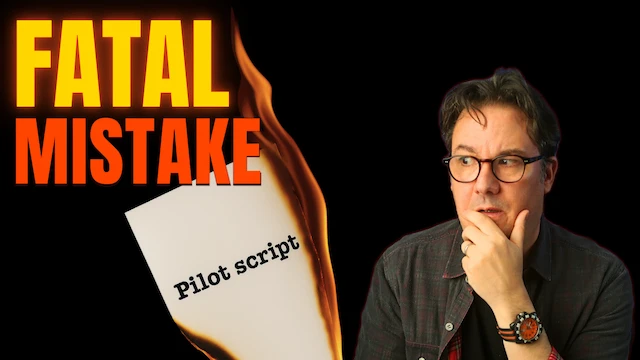
Why most pilots fail before page ten.
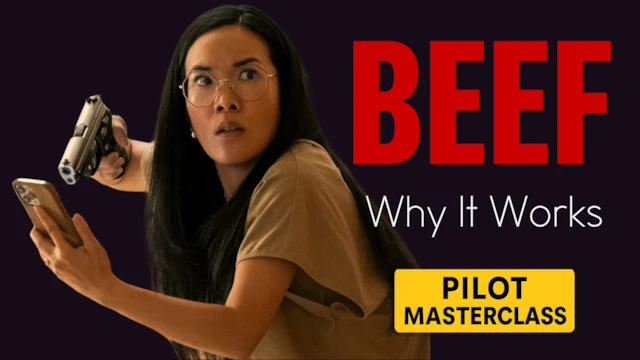
Two strangers collide. The story engine ignites.

The Story Behind the Story.
Lessons from the making of great films, and the creative struggles that shaped them.
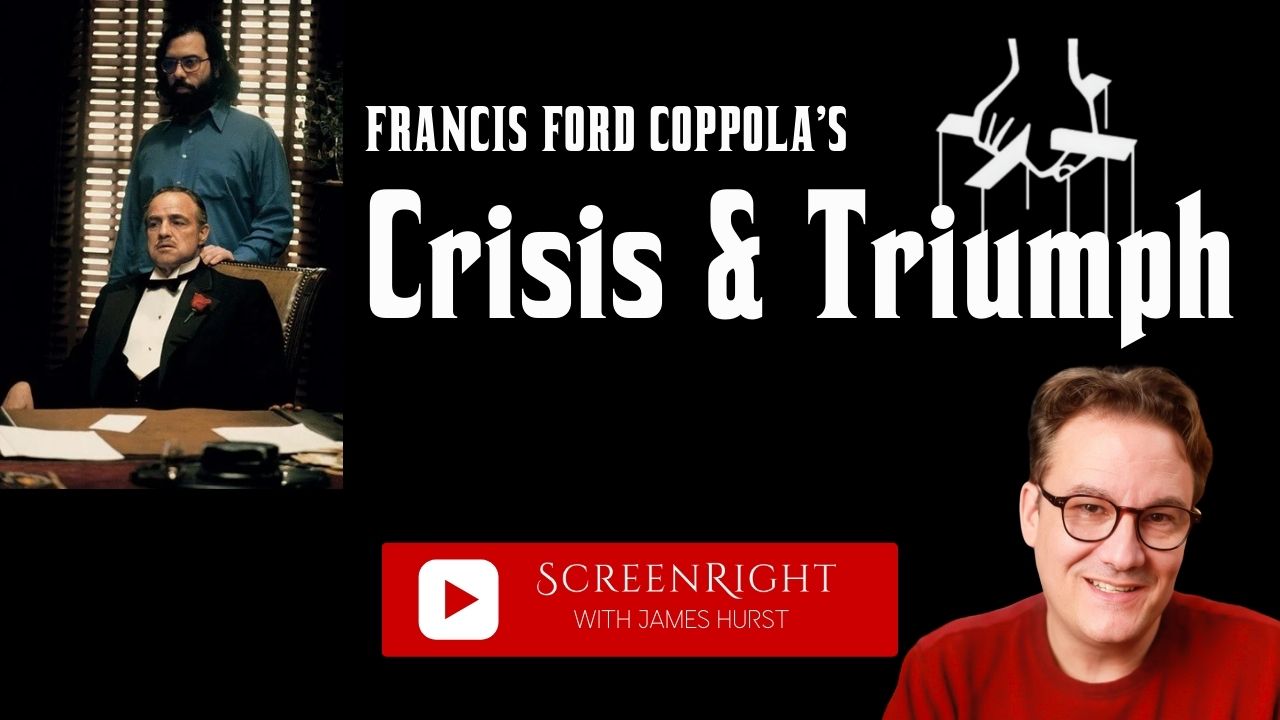
Francis Ford Coppola's The Godfather is one of the greatest films ever made. And it almost destroyed the man directing it.
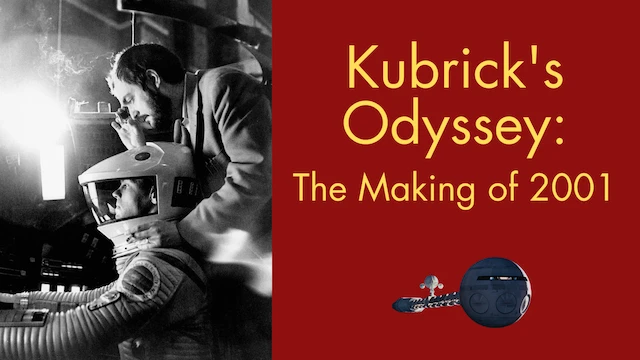
Stanley Kubrick's 2001 didn't start as a masterpiece. The journey there was as fascinating as the movie itself.